


The multi-billion-dollar legal war between Elon Musk and OpenAI is wrapping up in an Oakland federal court, but the true battleground isn’t just about corporate structures or broken contracts. It’s about something far more fragile: trust.
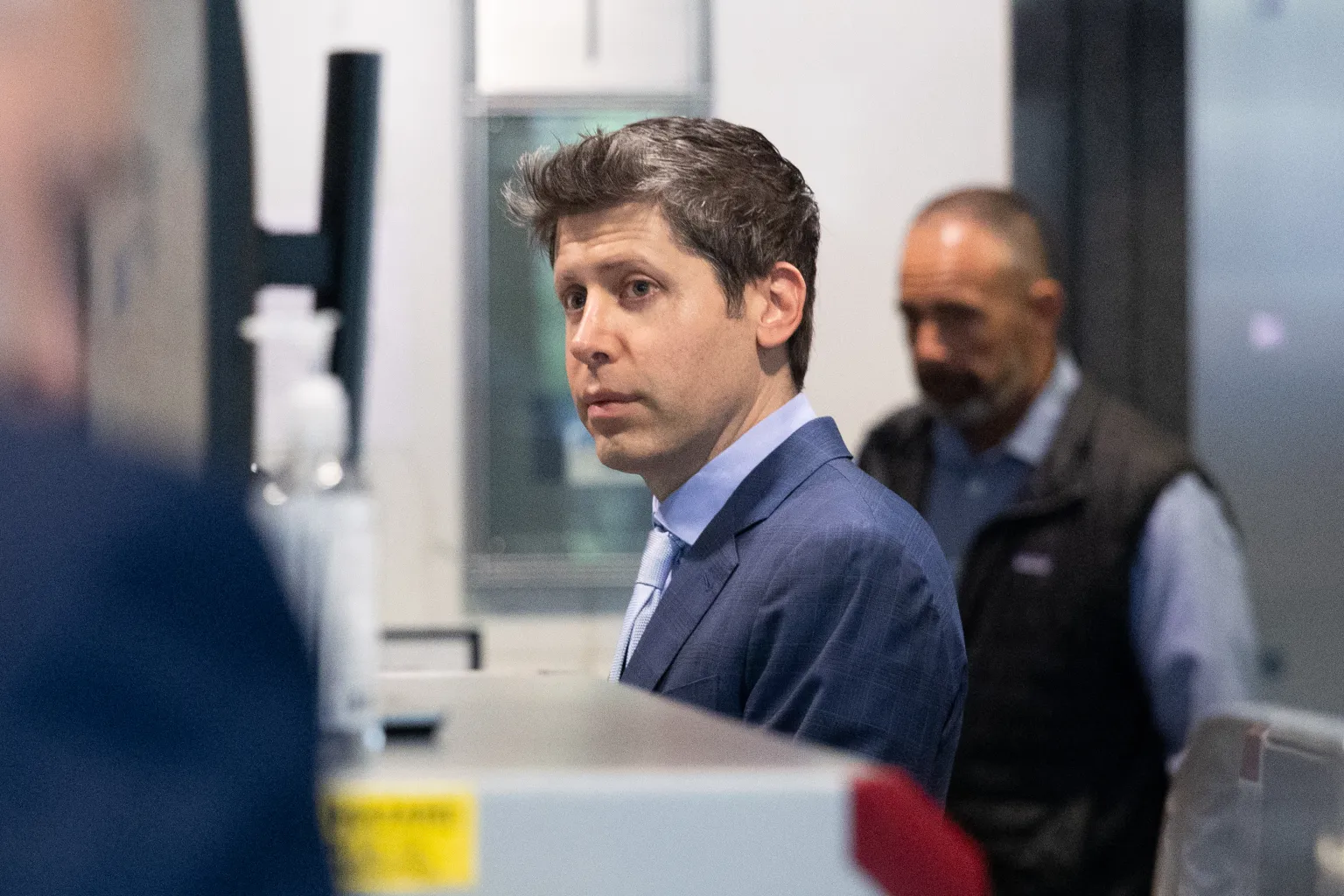
As jurors begin deliberations, the closing arguments revealed that the case ultimately hinges on whether the jury and the broader tech world, believes Sam Altman.
Striking at Altman’s Credibility
Musk’s legal team spent the final hours of the trial hammering OpenAI CEO Sam Altman’s character. His lead attorney, Steven Molo, directly challenged Altman’s credibility on the stand, reminding jurors that five key witnesses—including Musk, former Chief Scientist Ilya Sutskever, and former CTO Mira Murati, have called Altman a liar under oath.
To drive the point home, Molo offered the jury a vivid metaphor:
“Imagine standing before a wooden bridge over a deep gorge while someone assures you the bridge is built on ‘Sam Altman’s version of the truth.’ Would you trust it enough to cross?”
Musk’s side argues that Altman and President Greg Brockman used “revolving versions of the truth” to manipulate Musk out of $38 million in early funding, only to later pivot the altruistic, non-profit AI lab into a commercial powerhouse backed by Microsoft. Because the co-founders never signed a formal, ironclad contract establishing a charitable trust, Musk’s entire case relies on emails, public statements, and the fundamental trustworthiness of the people involved.
OpenAI Fires Back: “A Case of Sour Grapes”
OpenAI’s legal team didn’t hold back either, shifting the trust issue right back onto Musk. They paint the billionaire as a hypocrite who didn’t care about the non-profit structure until he lost control of the company and watched it succeed without him.
OpenAI’s lawyers point to a glaring contradiction in Musk’s narrative:
Musk tweeted in 2020 that OpenAI was “captured by Microsoft.”
Yet, he waited until 2024 to file his lawsuit.
Because California law imposes a strict three-year statute of limitations, OpenAI argues that Musk knew about the profit shift years ago and simply missed his window to complain.
Furthermore, OpenAI capitalized on Musk’s high-profile absence during closing arguments. While Altman and Brockman sat in the courtroom, Musk was in China attending a diplomatic summit with President Trump. “Mr. Musk came to this court for exactly one witness: Elon Musk,” OpenAI’s counsel told the jury. “Now he’s in parts unknown.”
What’s at Stake?
The jury’s decision could trigger a massive tech industry earthquake. If they side with Musk, it could derail OpenAI’s highly anticipated $1 trillion IPO plans, force a redistribution of up to $150 billion back into a non-profit entity, and completely upend how venture capitalists fund hybrid tech structures.
But beyond the financial fallout, the trial has laid bare a deeper crisis in the AI sector. As these companies build technology that could reshape humanity, the public is left asking a critical question: If the pioneers of AI can’t even trust each other, why should we trust them?