





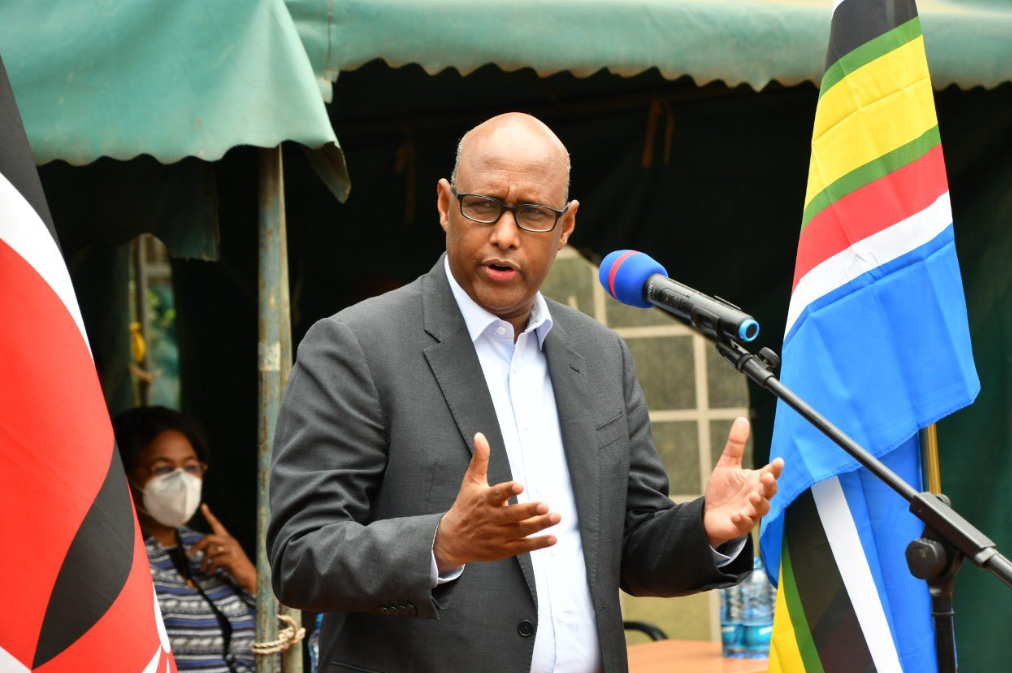

Kenya has appointed Adan Abdulla Mohamed as the new Commissioner General of the Kenya Revenue Authority (KRA). This major leadership reshuffle comes as President William Ruto’s government faces immense pressure to boost revenue without triggering further public backlash over taxes.
Treasury Cabinet Secretary John Mbadi appointed Mohamed to a three-year term effective immediately, according to a government gazette notice released on Monday. The leadership change comes at a critical time as Kenya grapples with ballooning debt servicing costs, slower economic growth, and persistent revenue shortfalls.
Mohamed replaces Humphrey Wattanga, who exited abruptly in April after the KRA board declined to renew his contract. The tax authority offered no detailed explanation for the shake-up, only thanking Wattanga for his service and his work on organizational restructuring.
Tax Collection Sparks Political Tensions
Tax collection has evolved into one of the most politically sensitive elements of President Ruto’s economic agenda. The government relies heavily on the KRA to fund its spending plans and narrow the national budget deficit, even as local businesses and households struggle with high living costs and weak consumer demand.
During his tenure, Wattanga expanded digital monitoring systems, tightened enforcement, and increased scrutiny on businesses and imports to widen the tax base. However, business groups and manufacturers complained that these aggressive measures raised compliance costs inside a struggling economy.
Digital Systems Drive 11.4% Growth Despite Missed Targets
Mohamed inherits an agency that must deliver stronger collections without choking economic activity. The appointment coincides with parliamentary debates over proposals in the Finance Bill 2026, which aims to widen the tax net and tighten compliance rules.
Choosing Mohamed signals continuity in Kenya’s revenue strategy despite the sudden leadership transition. The country must improve domestic revenue mobilization to satisfy fiscal reforms backed by international lenders, including the International Monetary Fund (IMF).
According to recent KRA data, the authority collected KES 2.038 trillion ($15.7 billion) in the nine months leading up to March 2026. While the agency missed its KES 2.122 trillion ($17 billion) target, the figure still represents an 11.4% increase from the previous year. The KRA attributes this growth to expanded digital compliance systems and data-driven tax administration, despite ongoing resistance from the business community.