




Reliable Robotics, an aviation technology startup founded by former SpaceX engineers, has raised an additional $115 million, pushing its valuation above $1 billion as it advances efforts to secure regulatory approval for autonomous flight systems.
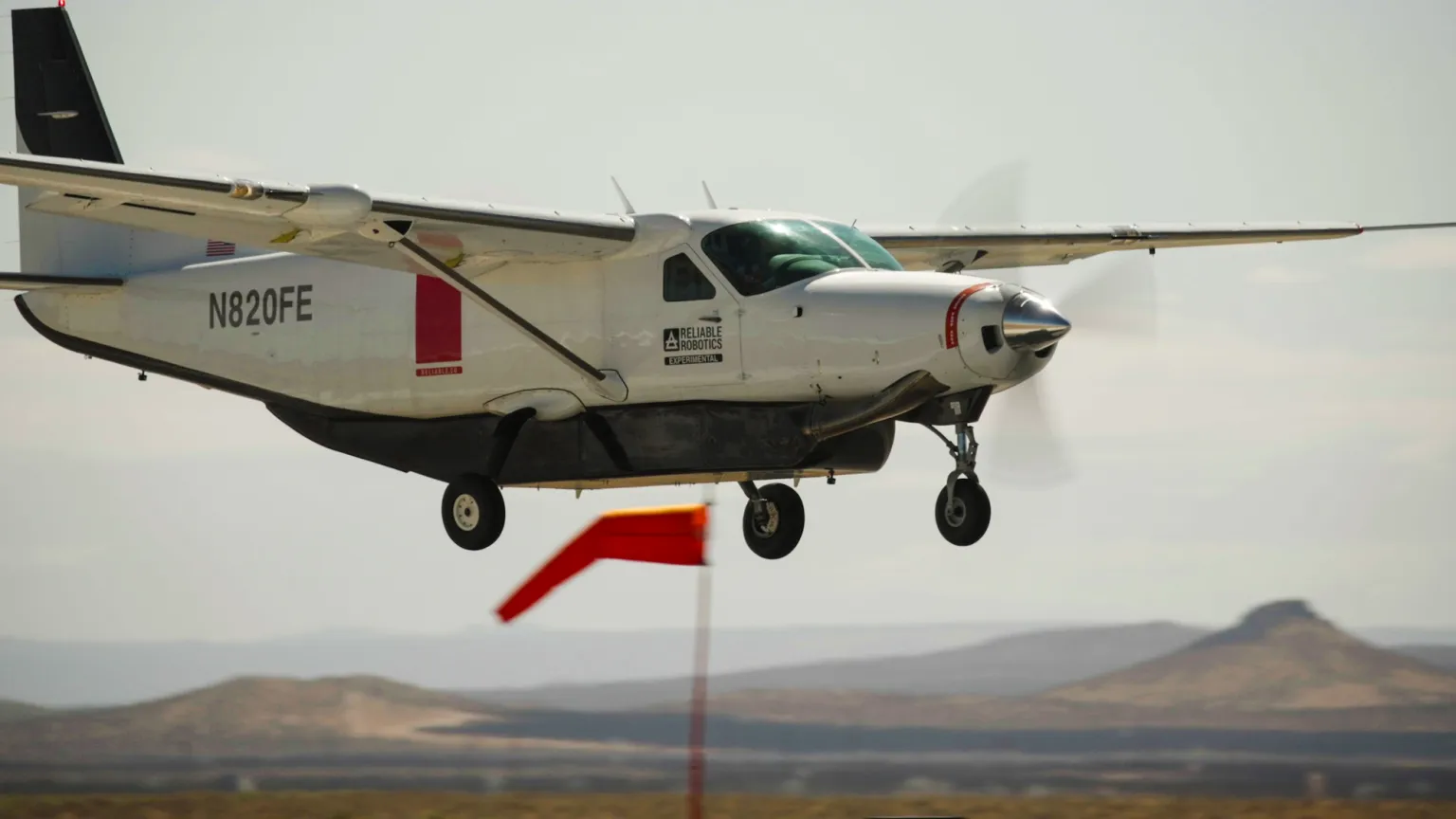
The Mountain View, California-based company is developing technology that enables existing aircraft to taxi, take off, fly and land autonomously, potentially reducing reliance on pilots for certain operations.
The latest financing extension adds $90 million in equity led by Nimble Partners and $25 million in debt financing from Silicon Valley Bank. It brings Reliable Robotics’ Series D round to $275 million and its total funding to $380 million.


Other investors include Gideon Strategic Partners, RockCreek, Geek Ventures, Gold Hill Capital and Sparkwave Capital.
The company’s next major challenge is securing certification from the United States Federal Aviation Administration (FAA), a process that could determine how quickly autonomous aviation moves from controlled demonstrations into commercial operations.
Reliable Robotics co-founder and chief executive Robert Rose, a former director of flight software at SpaceX who also worked at Tesla and Google, said the company continues to submit evidence to regulators as it progresses towards approval.
In aviation, technical performance alone does not establish that a new system is ready for commercial use. Developers must also demonstrate that their technology meets stringent safety and operational requirements.
For Reliable Robotics, the funding provides additional financial capacity to navigate that process while developing technology for aircraft already in service.
Reliable Robotics targets four certification milestones
The startup is pursuing four related certification programmes that could gradually expand the role of autonomous technology in aviation.
Its first system, called continuous autopilot engagement, automates engine startup, taxiing, take-off and landing while a pilot remains inside the aircraft. The pilot interacts with the system through a touchscreen.
Rose expects the company to secure certification for this initial system within 18 to 24 months.
The approach could offer a practical entry point for autonomous aviation because operators would not need to remove pilots from the cockpit immediately. Instead, they could introduce automation into selected flight operations while retaining a human pilot onboard.
Reliable Robotics is also developing a second system that would allow a pilot to operate an aircraft remotely from a ground-control station.
Rose said that certification remains at least three years away, reflecting the additional technical and regulatory challenges involved in removing the pilot from the cockpit.
The distinction is significant: automating tasks while a pilot remains onboard presents different safety considerations from operating an aircraft without a pilot physically present.
Remote operation requires reliable communication links, robust contingency procedures and safeguards against system failures that could otherwise leave an aircraft without immediate human intervention onboard.
Startup develops radar to prevent aircraft collisions
Reliable Robotics is also pursuing certification for a collision-avoidance radar that it developed in-house after failing to secure sufficient interest from established suppliers.
According to Rose, conventional radar systems often use moving antennas to scan surrounding airspace. Reliable Robotics has instead developed a solid-state system without moving parts.
The company says its radar can scan at longer ranges and higher resolutions while reducing maintenance requirements and equipment costs.
The technology is designed to detect potential collisions both in the air and on the ground, including encounters with other aircraft and airport infrastructure.
Rose expects the radar to receive certification by the end of 2027.
The system could become an important part of the company’s broader autonomy strategy because aircraft must do more than follow flight plans safely. They must also detect and respond to potential hazards in increasingly complex operating environments.
Recent aviation incidents have renewed attention on collision prevention, although Reliable Robotics’ radar will need to demonstrate its effectiveness and reliability through the relevant regulatory testing before operators can depend on it.
Reliable Airlines tests the commercial model
Beyond developing autonomous flight systems, Reliable Robotics is building an operating business to demonstrate how the technology could work in commercial aviation.
Its cargo operation, Reliable Airlines, is based in Albuquerque, New Mexico, and uses six Cessna Caravan aircraft to transport cargo six days a week.
The company is pursuing separate regulatory approval for airline operations using its autonomous technology. Equipment certification alone does not authorise an airline to conduct every proposed operation, so Reliable must also satisfy the rules governing its commercial activities.
Operating its own cargo service could give the startup an opportunity to demonstrate how autonomous systems perform in real-world conditions while building experience with aircraft maintenance, scheduling and operational procedures.
It could also help the company understand the practical demands of introducing autonomy into existing aviation businesses.
However, running a cargo airline while developing new flight technology presents its own challenges. Reliable must manage operating costs and customer expectations while progressing through a certification process that can take years.
The company has not yet established that its autonomous systems can support large-scale commercial operations across multiple aircraft types.
Why investors are betting on autonomous aviation
John Burbank, founder of Nimble Partners, said Reliable Robotics is pursuing a broader opportunity than developing a single autonomous aircraft.
The company’s approach centres on creating a system that can be integrated into existing aircraft rather than requiring airlines to replace their fleets with entirely new designs.
That distinction could influence the economics of adoption. Airlines and cargo operators have already invested heavily in aircraft, maintenance infrastructure, training and airport operations. A technology that works with existing fleets could reduce the cost and disruption associated with introducing autonomy.
Burbank said the company recognised the potential of autonomous aviation when it began developing its technology nine years ago.
He compared the opportunity with the shift towards autonomous vehicles, arguing that once regulators approve the first systems, other operators could increasingly view the technology as a viable path for the industry.
However, aviation may adopt autonomy differently from road transport. Aircraft operate under stringent safety requirements, and commercial operators must account for passenger and cargo safety, weather conditions, air traffic control, equipment failures and emergency procedures.
Regulatory approval for one application will not automatically establish that the technology can operate safely across every aircraft type or flight environment.
Reliable Robotics will therefore need to demonstrate not only that its systems work, but also that operators can deploy them reliably and economically.
Funding gives Reliable Robotics more time to prove its case
Reliable Robotics’ valuation above $1 billion reflects investor confidence in the potential of autonomous aviation, but the company still faces significant execution risks.
Its immediate priorities include securing approval for its initial autopilot system, advancing remote-flight operations, certifying its collision-avoidance radar and demonstrating that its cargo airline can use the technology within the applicable regulatory framework.
Each milestone could expand the company’s commercial opportunities, but delays could increase development costs and postpone revenue from wider deployments.
For the aviation industry, the central question is no longer simply whether aircraft can fly autonomously, but whether regulators and operators can trust the systems enough to use them consistently in commercial service.
Reliable Robotics is betting that retrofitting existing aircraft will make that transition more practical than replacing entire fleets. If the company secures certification and demonstrates dependable performance, it could open new opportunities in cargo transport and other operations where automation can improve efficiency.
For now, its latest funding round gives the startup more resources to pursue that ambition. The decisive test will be whether it can turn nearly a decade of development into certified technology that aviation operators can deploy safely, reliably and at a commercially sustainable cost.