






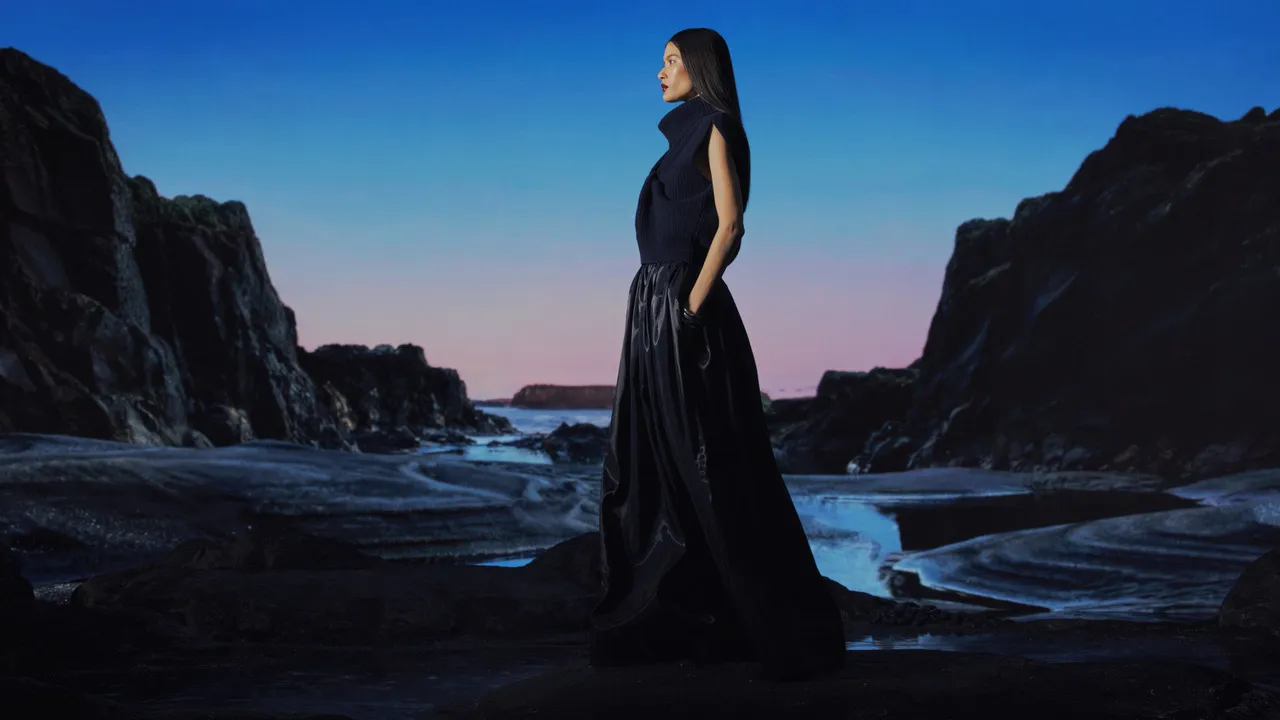


Kate Barton will showcase her latest collection at New York Fashion Week on Saturday, but this time she brings artificial intelligence directly into the runway experience. She partnered with Fiducia AI to launch a multilingual AI agent built with IBM watsonx on IBM Cloud, allowing guests to identify outfits instantly and try them on virtually through immersive digital tools.
Ahead of the event, Barton and Ganesh Harinath spoke with TechCrunch about how fashion and AI continue to converge. Barton explained that technology shapes her creative process, especially when she explores the boundary between reality and imagination. Rather than adding AI as a gimmick, she designed the show environment as a digital “portal” that expands how audiences experience the collection.
She views technology as a storytelling amplifier that enhances presentation, deepens engagement, and sparks curiosity. According to Barton, modern fashion increasingly relies on tech not just for production but for emotional impact, those moments when viewers pause and reconsider what they see.
Harinath revealed that his team built a production-grade activation using IBM AI infrastructure. The system recognizes clothing pieces through a visual AI lens, responds to voice or text queries in multiple languages, and delivers photorealistic virtual try-ons. He emphasized that coordinating the ecosystem of tools proved more challenging than training the AI models themselves.
Barton already experimented with AI during a previous season, also working with Fiducia AI, and she believes the fashion industry quietly uses more AI than it publicly admits. Many brands deploy it behind the scenes for operations while avoiding high-profile announcements because of reputational risks tied to emerging technology.
She compared today’s AI hesitation to the early days of brand websites, when fashion houses questioned whether they should even go online. Over time, digital presence became unavoidable, and the conversation shifted toward quality rather than adoption. Barton expects AI to follow a similar path.
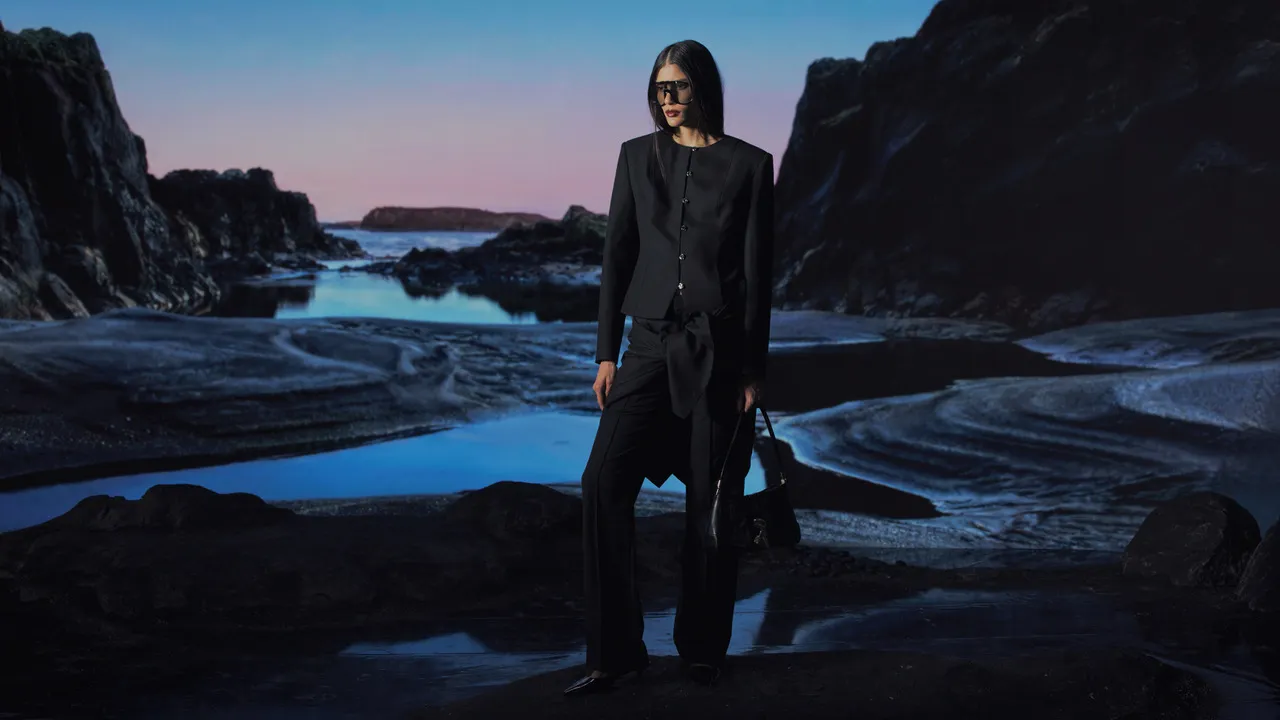
Harinath noted that current adoption often stays superficial, focusing on chatbots, automated content, and productivity tools rather than deeper creative integration. However, Barton anticipates broader applications, including advanced prototyping, richer visualization, smarter manufacturing decisions, and more immersive consumer experiences. She stressed that technology should support designers and craftspeople, not replace them.



Clear industry standards will determine how successfully AI integrates into fashion. Barton advocates transparent licensing, proper crediting, and open dialogue so innovation respects human creativity. She warned that audiences quickly recognize whether technology enhances artistry or merely replaces effort.
Despite ongoing debate, AI continues moving toward normalization in fashion and retail. Harinath predicts widespread acceptance by 2028 and expects AI to become operationally central across retail by 2030. He argues that most core technologies already exist; success now depends on partnerships and responsible implementation.
Dee Waddell from IBM Consulting echoed that outlook, saying real-time links between inspiration, product intelligence, and customer engagement transform AI from a novelty into a measurable growth engine. She believes companies that align those elements gain a competitive edge as digital commerce evolves.
For Barton, however, the ultimate goal remains human-centered creativity. She envisions a future where designers use AI to elevate craftsmanship, enrich storytelling, and invite broader participation without diminishing the people behind the work. In her view, the most exciting evolution in fashion will not automate artistry but amplify it through smarter tools and more engaging experiences.