






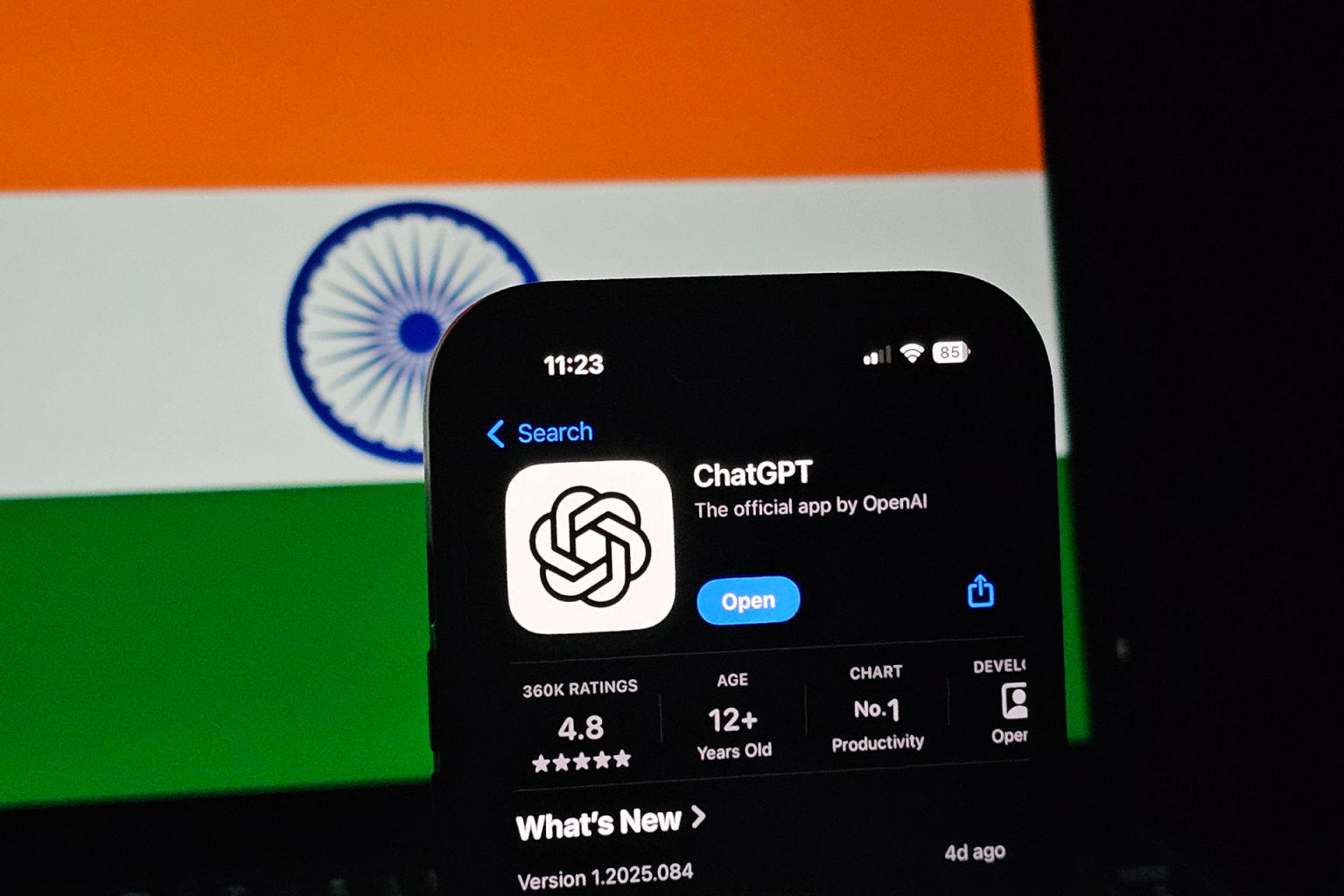


India now records about 100 million weekly active users on ChatGPT, a milestone Sam Altman confirmed as OpenAI expands its global footprint and strengthens its presence in one of the world’s fastest-growing AI markets. The disclosure came ahead of a government-hosted AI summit where industry leaders, policymakers, and tech executives plan to discuss artificial intelligence adoption, infrastructure, and economic impact.
Altman highlighted the surge in adoption in an article published by Times of India, noting how developers, students, startups, and businesses increasingly rely on generative AI tools for productivity, education, and innovation. OpenAI has accelerated its local strategy since opening an office in New Delhi in 2025, tailoring pricing and accessibility to attract India’s highly price-sensitive digital population.
The company sees massive opportunity in India’s internet scale, youthful demographics, and expanding startup ecosystem. Altman confirmed that India now ranks as ChatGPT’s second-largest market after the United States, reinforcing its strategic importance for future AI growth. Global usage continues to climb rapidly as enterprises, educators, and independent creators adopt AI tools across workflows.
Students have played a particularly strong role in this adoption wave. Altman pointed out that India hosts the world’s largest base of student users, a trend shaping how AI firms position their education offerings. Competitors have moved aggressively into the academic space; Google, for example, introduced a free one-year AI subscription for Indian students in 2025. According to Chris Phillips, India also leads global usage of Gemini for learning, underscoring how classrooms increasingly integrate AI-driven research, tutoring, and productivity tools.
Altman stressed that expanding AI access requires more than user growth. He argued that practical AI literacy, affordable connectivity, and infrastructure investments will determine whether the technology delivers broad economic benefits. National initiatives like the IndiaAI Mission aim to boost computing capacity, support startups, and drive AI adoption in public services, yet monetization remains challenging due to pricing pressures and uneven digital infrastructure.
Industry observers note that widespread AI usage does not automatically translate into economic gains. Companies must still solve cost barriers, connectivity gaps, and workforce training needs before AI can deliver sustained productivity improvements at scale. Altman warned that limited access could concentrate AI benefits among a small segment of users, potentially slowing broader digital transformation across emerging markets.
OpenAI plans deeper engagement with Indian authorities and industry partners to expand access, encourage AI literacy, and accelerate practical deployments. Altman hinted at upcoming partnerships but withheld details, saying the focus will center on widening reach and helping more people apply AI tools to real-world problems.
The upcoming summit will draw global technology and political heavyweights, including Anthropic CEO Dario Amodei, Sundar Pichai, Indian business leaders Mukesh Ambani and Nandan Nilekani, along with political figures such as Emmanuel Macron, Sheikh Khaled bin Mohamed bin Zayed Al Nahyan, and Luiz Inácio Lula da Silva. Their presence highlights India’s growing influence in global AI governance, digital policy, and emerging technology investment.



For global AI companies, India’s scale increasingly shapes product design, pricing strategies, and expansion priorities. As adoption accelerates, the country continues to position itself not just as a major user base but as a key player influencing how artificial intelligence evolves worldwide. OpenAI has not issued additional comments beyond Altman’s published remarks.








A really good blog and me back again.