


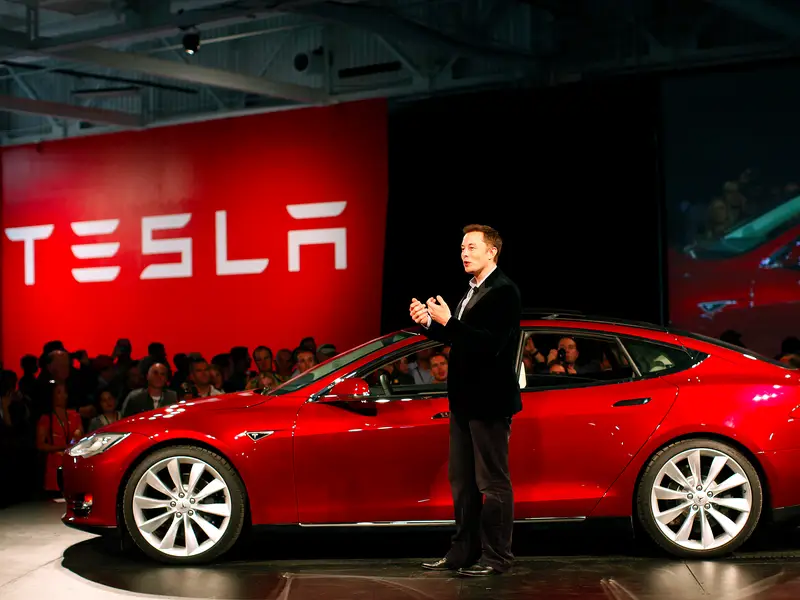
Elon Musk stirred fresh controversy on Thursday when he announced on X that Tesla owners can text while driving when using the newest version of the company’s Full Self-Driving (Supervised) software. His claim clashes directly with laws in almost every U.S. state, where texting behind the wheel remains illegal and, in many places, any handheld phone use is banned entirely.
Musk made the statement while responding to a user who noticed that the latest FSD update no longer flashes a warning when a driver picks up a phone. Musk said the software allows texting “depending on context of surrounding traffic,” but he didn’t explain what that means or how the system decides when it is acceptable. Tesla no longer maintains a public relations team, and Musk did not respond to requests for clarification, leaving the comment open to interpretation and criticism.
Despite Musk’s promotion of the technology, FSD remains a driver-assistance system—not a self-driving solution. Tesla still requires drivers to keep their hands on the wheel and stay alert at all times, because they are legally responsible for the vehicle’s actions. State laws treat anyone behind the wheel as the active operator, regardless of whether software is engaged.
Tesla designed FSD to monitor driver attentiveness through steering-wheel sensors and the in-cabin camera. The system can handle many driving tasks, but it often hands control back to the human driver when it encounters unexpected or complicated situations. These transitions, where a driver must suddenly retake control, remain one of the biggest risk factors in crashes linked to driver-assist technologies.
Even Musk has admitted in the past that Autopilot—the driver-assistance feature that comes standard in all Teslas—can make people overly confident and too relaxed behind the wheel. Regulators have documented more than a dozen fatal crashes where Autopilot was active, reinforcing concerns that Tesla’s marketing often oversells the technology’s capabilities.
The National Highway Traffic Safety Administration is currently investigating FSD after receiving more than 50 reports of the system running red lights, drifting into oncoming lanes, or making dangerous decisions in low-visibility conditions. The agency is also examining incidents where the software struggled in fog, heavy rain, or darkness. NHTSA has not commented publicly on Musk’s new claims about texting while driving.
Tesla also faces a nearly concluded legal showdown with the California Department of Motor Vehicles. Regulators there argue that Tesla misled customers for years by suggesting FSD and Autopilot could drive the cars autonomously. During hearings in July, the DMV accused the company of false advertising and pushed for a judge to suspend Tesla’s ability to sell or manufacture cars in the state for at least 30 days. A ruling is expected before the end of the year, and its outcome could significantly shape how Tesla markets its technologies moving forward.
Musk continues to promote FSD as if true autonomy is just around the corner, but his latest claim about texting while driving highlights the growing gap between his public statements and the legal and technological, realities shaping Tesla’s future.