




Meta is pouring massive resources into artificial intelligence like never before. The company is constructing two enormous data centers and has committed to a staggering $600 billion in U.S. infrastructure spending over the next three years. While such figures might seem normal in Silicon Valley, Wall Street is beginning to grow uneasy.
Tension grew this week when Meta released its quarterly earnings. The report showed operating expenses up by $7 billion from last year and nearly $20 billion spent on capital projects. Most of this money went toward hiring AI experts and building the infrastructure to support advanced models. Despite all that spending, AI has yet to bring in significant revenue. When analysts pressed Mark Zuckerberg for clarity, he made it clear that Meta’s AI investment was only just beginning.
Zuckerberg said Meta needed to speed up its AI efforts to secure enough computing power for both research and business growth. He claimed that once the company rolled out new frontier models from its Superintelligence Lab, Meta would unlock huge opportunities that competitors couldn’t match.
Investors didn’t share his optimism. Meta’s stock value plunged soon after the earnings call, dropping 12% by Friday’s close and wiping out over $200 billion in market capitalization.
On paper, the company’s profits were still impressive, with $20 billion in earnings for the quarter. But this was the first time the financial hit from Meta’s AI ambitions became visible. The growing costs in infrastructure and salaries left investors questioning what Meta was really getting for its money.
Analysts wanted answers about how the company planned to turn its AI spending into profit. Zuckerberg couldn’t offer a solid revenue forecast, mainly because Meta hasn’t launched a clear product tied to its AI efforts. Instead, he spoke about potential future products that would reshape user experiences and advertising across its platforms.
He described upcoming tools that could create new content formats, boost engagement, and enhance ad recommendations. But his words didn’t calm investor concerns. While companies like Google and Nvidia are also spending heavily on AI, they’re backing those investments with products that are already paying off. Even OpenAI, which spends at a similar scale, can justify it with billions in annual revenue.
Meta, on the other hand, hasn’t produced a standout product from its AI ventures. Its main AI assistant, Meta AI, reportedly serves over a billion users. Yet that figure seems inflated given Facebook and Instagram’s massive user bases. Compared to ChatGPT, Meta AI still feels like an accessory rather than a competitor.



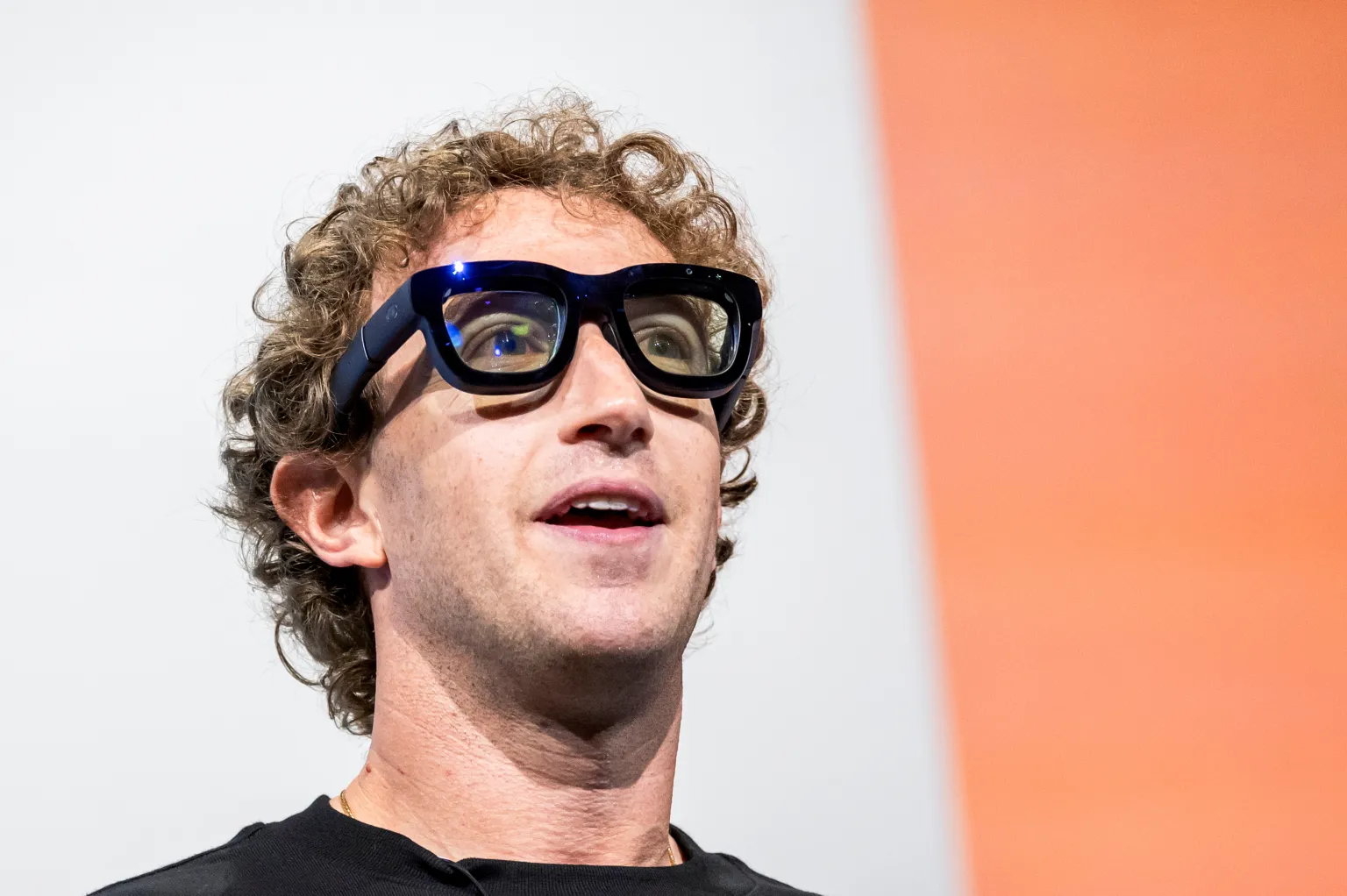
Another product, the Vibes video generator, boosted user activity but didn’t add much to Meta’s revenue. The new Vanguard smart glasses also made headlines, but they seem more like an extension of Meta’s Reality Labs division than a true AI breakthrough.
In essence, Meta has promising prototypes but nothing revolutionary. When asked about the massive infrastructure spending, Zuckerberg focused on what’s still in development, not what’s currently working. He hinted at new AI models coming soon from the Superintelligence Lab, saying he looked forward to revealing more when the time was right.
That vague promise didn’t sit well with investors. An earnings call isn’t the place for teasers — it’s where shareholders want clarity.
To be fair, Meta’s reorganization of its AI division happened only four months ago, so major results will take time. The new Superintelligence team hasn’t had a chance to release anything game-changing yet. But as Meta continues to burn through billions, the question remains: what is Zuckerberg’s real plan for AI?
Will Meta leverage its massive database of personal information to build a ChatGPT rival? Could Vibes evolve into a broader entertainment product powered by AI? Or does “business AI” signal a shift toward enterprise services?
Right now, no one can say for sure. But one thing is certain, the clock is ticking. Meta must soon show investors that its massive AI investment isn’t just an expensive experiment, but a vision that can actually pay off.