



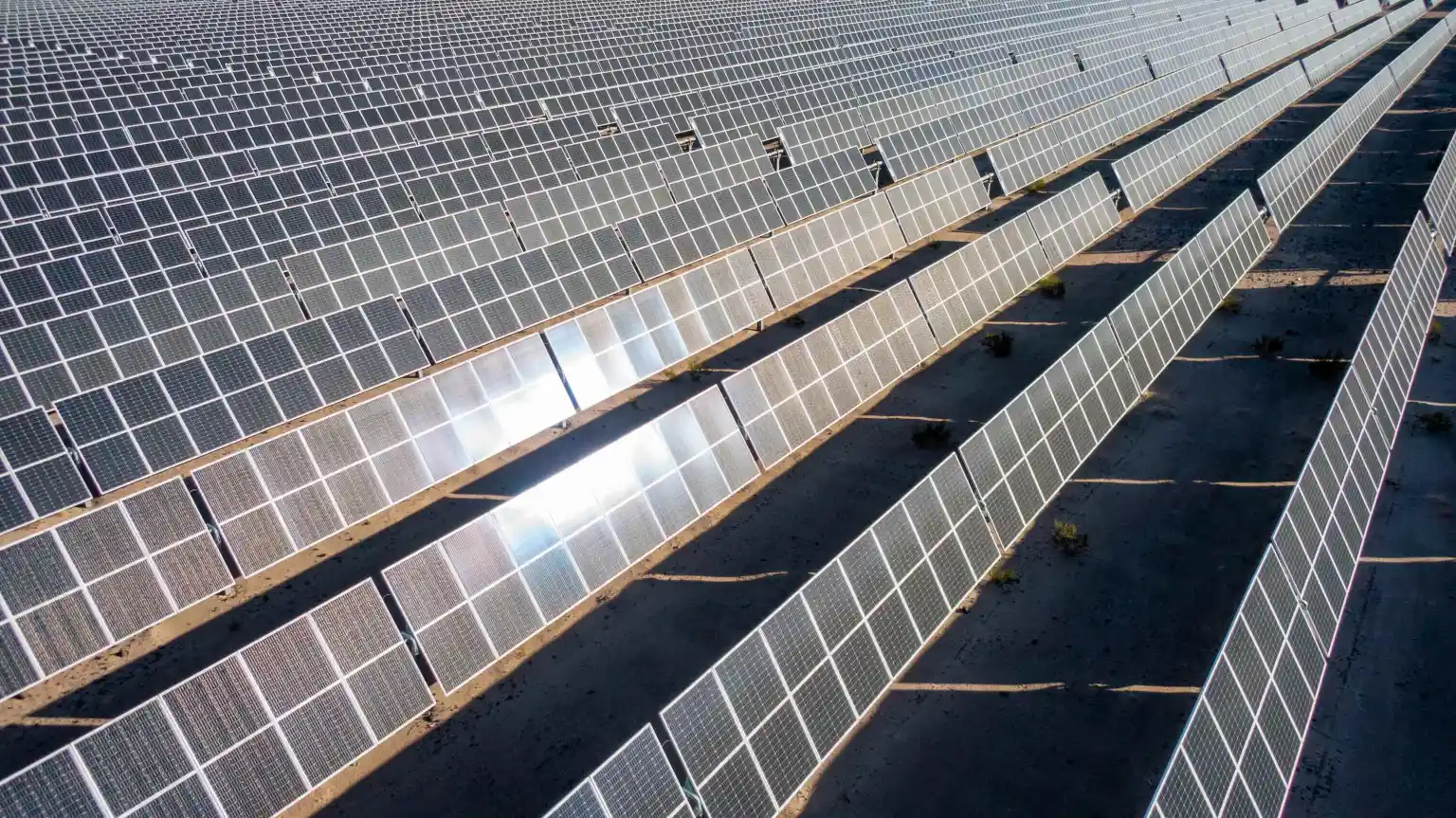

Meta signed three new deals this week to secure nearly one gigawatt of solar power, pushing forward its mission to fuel its rapidly expanding AI operations. These new agreements raise the company’s total solar purchases this year to more than three gigawatts, marking another major step in its clean energy drive. With data centers growing in number and size, Meta continues to turn to solar energy because it’s cheaper, faster to deploy, and reliable for long-term use.
Earlier this week, Meta revealed two agreements in Louisiana to buy the environmental attributes of 385 megawatts of electricity. Both projects are set for completion in about two years. Just days before that, the company struck another deal for 600 megawatts from a massive solar farm near Lubbock, Texas, expected to begin operations in 2027.
Although the Texas plant won’t directly connect to Meta’s data centers, it will feed power into the local grid, balancing out the company’s electricity consumption in that region. In contrast, the Louisiana agreements focus on purchasing environmental attribute certificates that allow Meta to offset its reliance on carbon-heavy power sources.
These certificates, known as environmental attribute certificates (EACs) or renewable energy certificates, let companies claim they are using renewable energy even if the actual power they consume isn’t directly from a solar or wind source. While EACs played a key role years ago when renewable energy was more expensive than fossil fuels, many experts now see them as less effective. They argue that EACs can make companies appear greener than they are, masking the true scale of their carbon emissions, especially as energy demand surges with the rise of AI.
When EACs were first introduced, they helped bridge the cost gap between renewables and fossil fuels, encouraging companies to pay more for cleaner energy and motivating developers to build new solar and wind projects. But today, renewables often cost less than fossil power, and EACs no longer carry the same weight in driving new investments. Critics question whether these certificates genuinely cause companies to build more renewable projects.
Experts believe companies like Meta, with massive energy consumption driven by AI technologies, should go beyond buying certificates and instead help fund new renewable capacity directly. By investing in new solar farms, wind projects, and innovative energy storage solutions, companies can ensure their growing electricity demand truly supports a cleaner grid and reduces overall emissions.
Meta’s recent moves highlight both progress and the ongoing debate over how corporations can genuinely power their digital expansion sustainably. The deals signal a step toward clean energy reliance, but they also underscore the growing pressure on tech giants to back renewable projects that make a real difference, not just on paper.